From patient stories to a movement: AI adoption in the NHS
How designing for vulnerable people at Iternal led to a role modernising the NHS, and how upskilling a resistant team created a ripple effect that reached 1,000+ professionals worldwide.
My first UX role, designing patient diaries at Iternal, led to NHS contracts, Innovate UK funding and a job offer from the NHS itself. I joined NHS Education for Scotland just as ChatGPT took off and drove AI adoption in an organisation that wasn't ready for it, by meeting people at their point of need rather than mandating change. What started as internal team training grew into a programme that trained over 1,000 professionals worldwide and earned a Women in Tech Award, a TechWomen100 listing and an AI Champion of the Year finalist place.
Designing for children in hospital
My first UX role after School of Code was at Iternal, a startup building digital patient diaries for children and their parents during hospital stays.
The idea was simple and human, since while in hospital children and families could tell their stories, share them with loved ones and stay connected while doctors followed along, so it gave people in an isolating situation a voice. I led the UX for that product and the work was noticed, because it directly led to Iternal securing NHS contracts and Innovate UK funding, and eventually to a job offer from the NHS itself. The Innovate UK grant funded an augmented reality storytelling app for children, with parallel VR research focused on dementia care.
Designing for children in hospital taught me that good UX isn't just about usability, it's about dignity, because the people using your product are often scared, tired and not there by choice, which changes every single design decision.
Joining an organisation that wasn't ready for change
When I joined NHS Education for Scotland as UX Designer and Researcher it was 2023, the year ChatGPT took off, and I was already using AI tools daily for content, admin and ideation, however the team I joined was not.
The NHS is a complex, risk-averse institution, so prototyping was done in Axure, which was slow, siloed and inaccessible to most stakeholders, while AI tools were either unknown or actively distrusted. The culture was one of "we've always done it this way," and that wasn't anyone's fault so much as the environment.
Meet people where they are. Show, don't tell.
Forcing adoption doesn't work in the NHS, and lecturing already-stretched people about AI doesn't either, so I started with the people who were curious, showing them one win at a time.
Rather than rolling out a big training programme upfront, I introduced tools at the point of need, so someone building a presentation would get shown Gamma to turn hours of work into minutes, and someone struggling with content would get ChatGPT for a first draft. The ask was never "learn this tool," it was always "try this for this specific thing." That principle shaped how I handled each kind of resistance:
Designing services people actually needed
Alongside the cultural change work I was leading substantive UX projects, and these weren't internal tools for show but services that affected how NHS Scotland operated.
I unified five separate systems for staff tracking, bed management and incident reporting into a single real-time platform, which reduced operational friction for clinical teams under pressure. And on the Digital Front Door I conducted identity management research that directly influenced Scottish Government decisions on digital access across NHS Scotland services. I also contributed to the design system, building components reused across NHS Scotland's digital estate, and developed template boards to standardise design practice across the UX team.
Internal training that became an external movement
The AI training I started internally didn't stay internal.
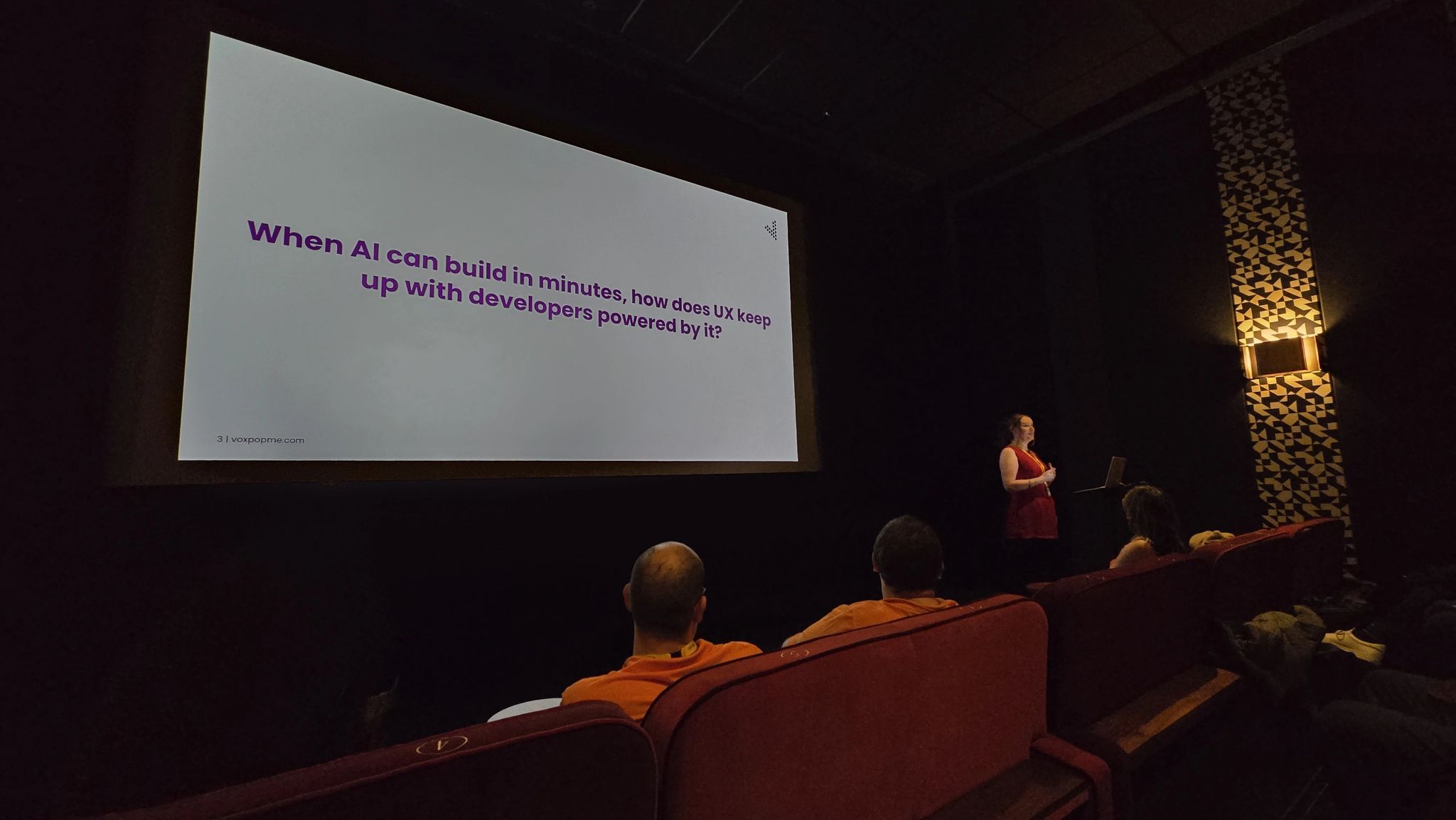
As I learned externally I brought it back, and as I taught internally I got better at explaining it externally, so the two fed each other into a flywheel that eventually took me to the main stage at UX Scotland, presenting to over 100 UX professionals on practical AI for user-centred design. From there the invitations kept coming, across NHS All Hands, Birmingham University, Tech Mids, Women in Tech Birmingham and School of Code's summer school.
In parallel I started volunteering training for charities including JW3, Barnardo's, Anawim and The Luca Foundation, showing organisations with limited resources how AI could amplify their impact, with free sessions, practical tools and no jargon.
What it added up to
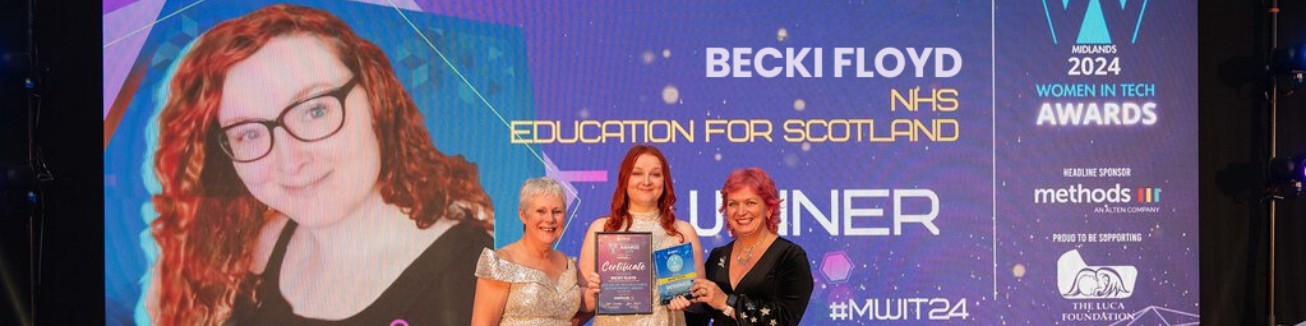
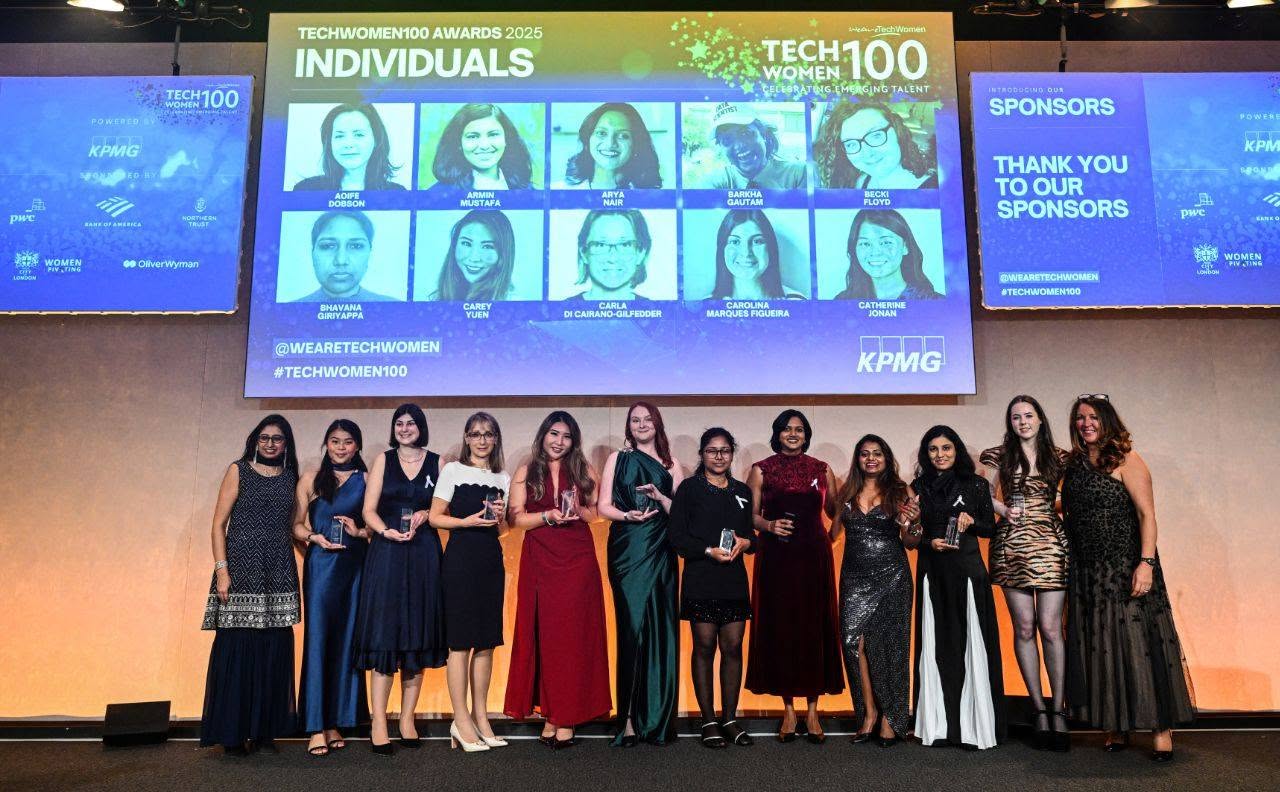
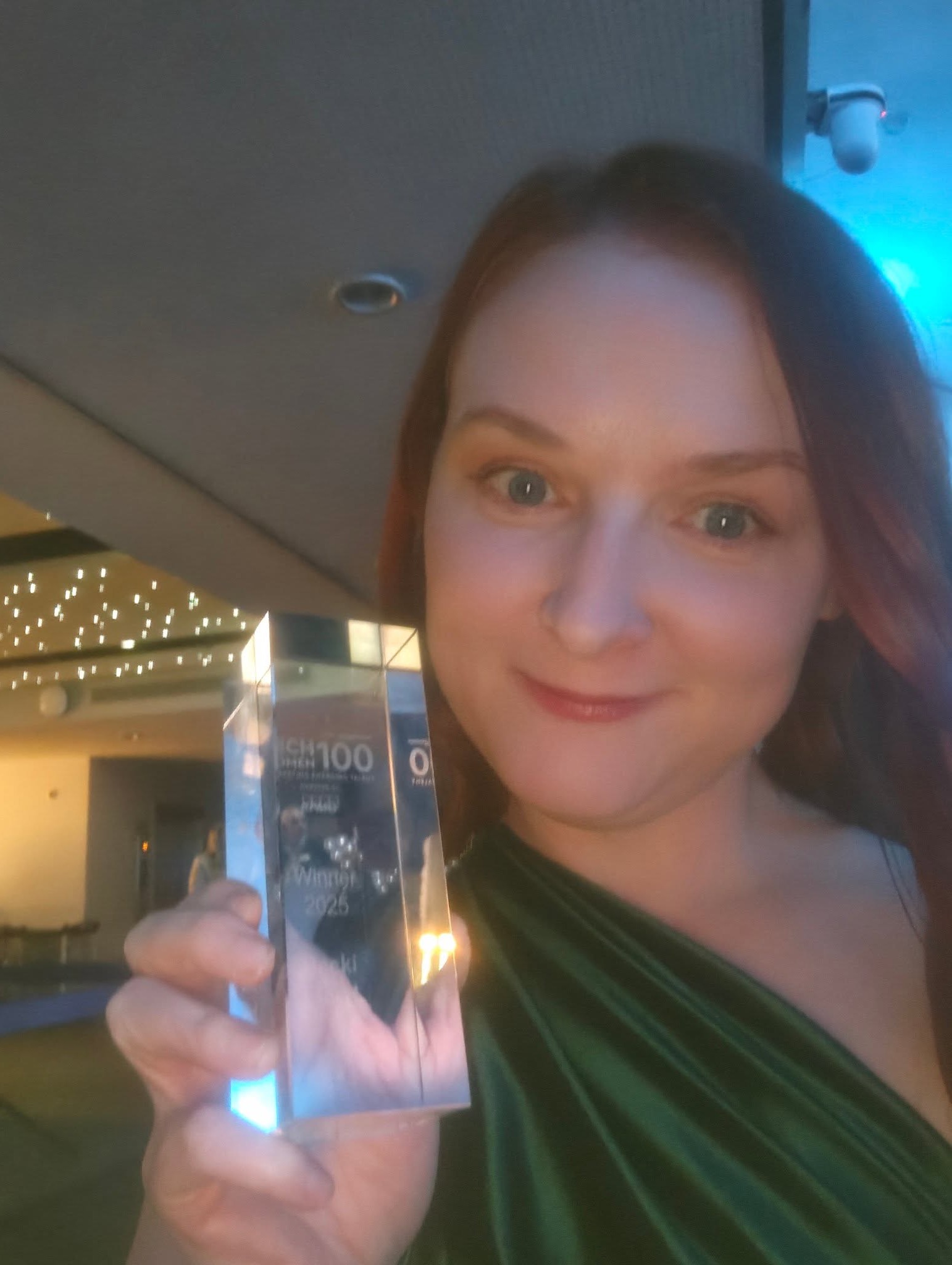
The Women in Tech Award for Best Use of Tech in the Public Sector in 2024 recognised the full scope of the work, from modernising NHS design practice to training community members to equipping charities and professionals to use AI confidently and responsibly. Recognition continued after I left the NHS, with a TechWomen100 listing and an AI Champion of the Year finalist place in 2025, since the work that started as internal team training had grown into a sustained programme of community impact.
What this taught me about change in large organisations
You can't mandate adoption, especially not in the NHS and especially not for technology people have been told to be cautious about, however what you can do is find the path of least resistance, the person who's curious, the task that takes too long, the win that's impossible to argue with.
Showing someone that Gamma can build a presentation in minutes rather than hours isn't really a training session, it's a demonstration that their time has value, and that's the real argument for AI in any organisation, not capability but respect for the people doing the work. Everything that followed, the speaking invitations, the award, the charity work and the thousand professionals trained, started with showing one person one tool at the right moment, and that's still how I think about change.